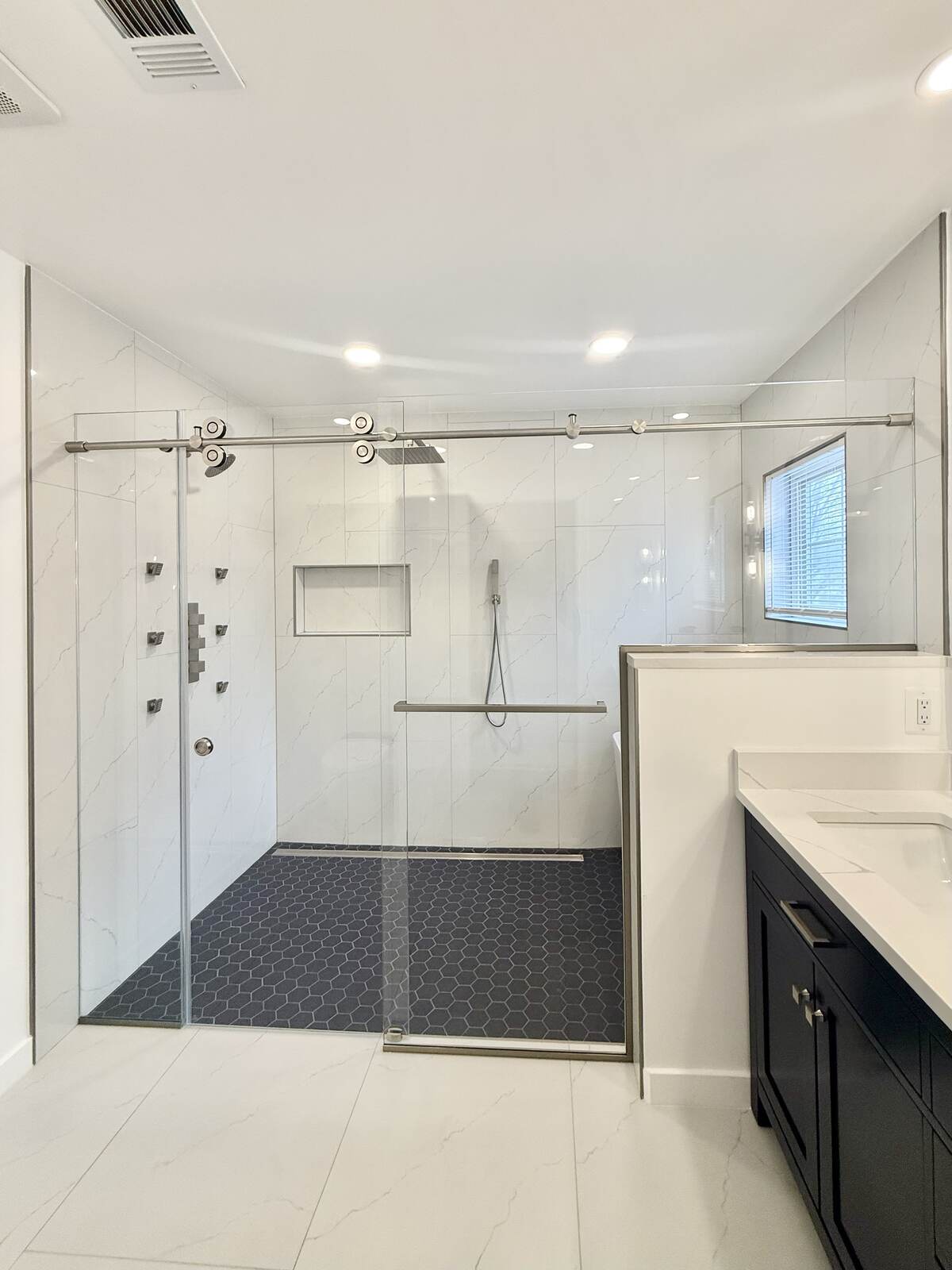
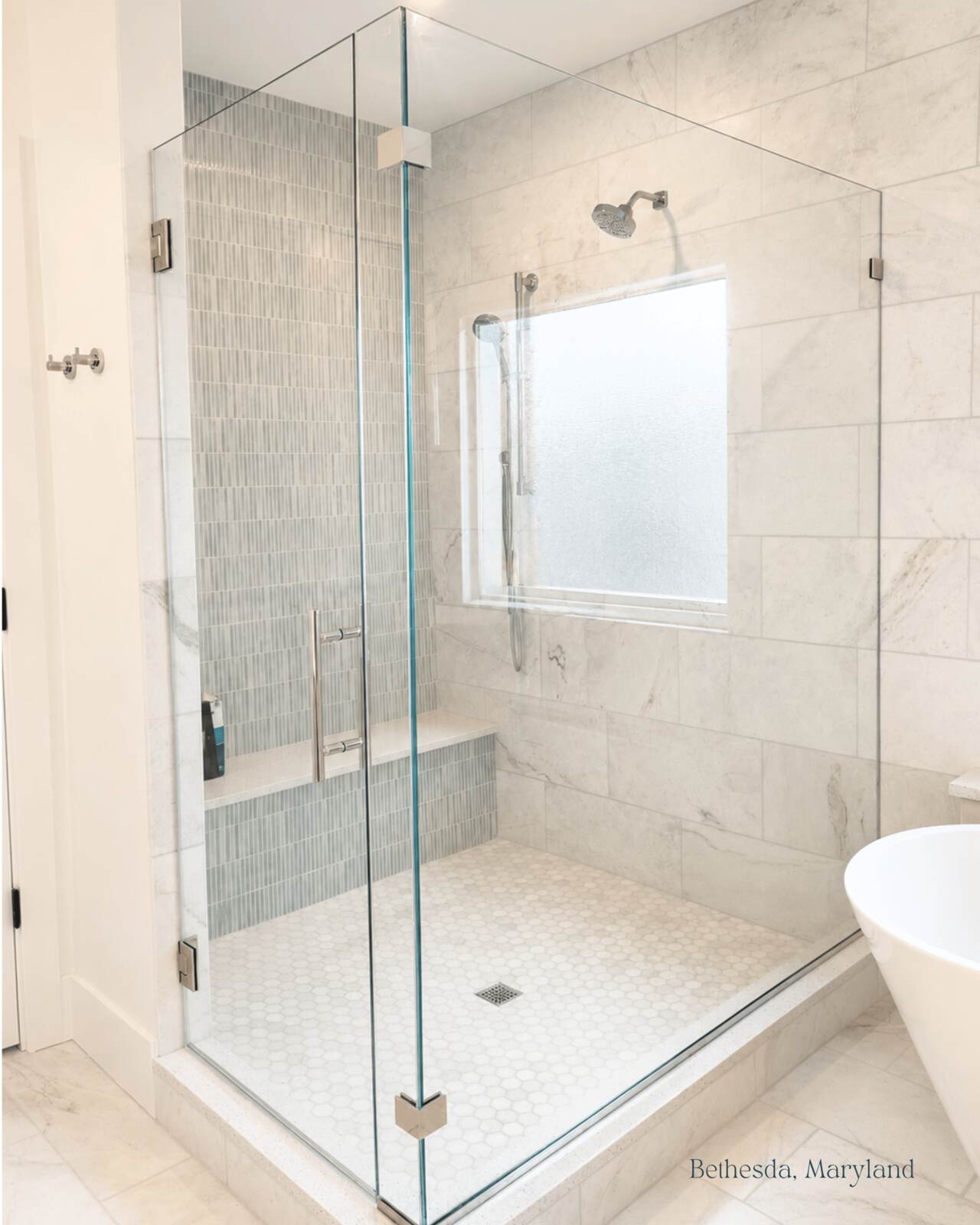
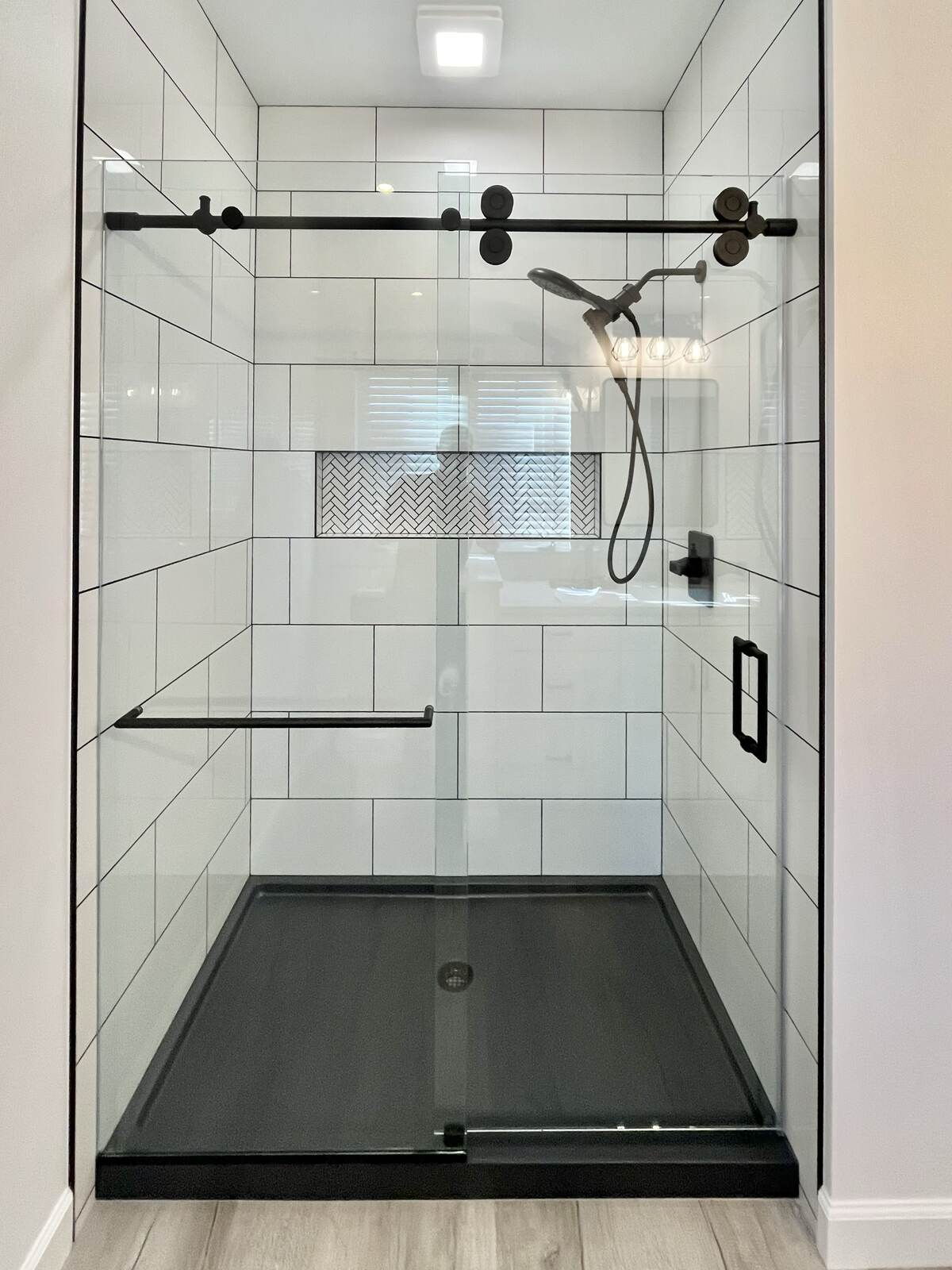
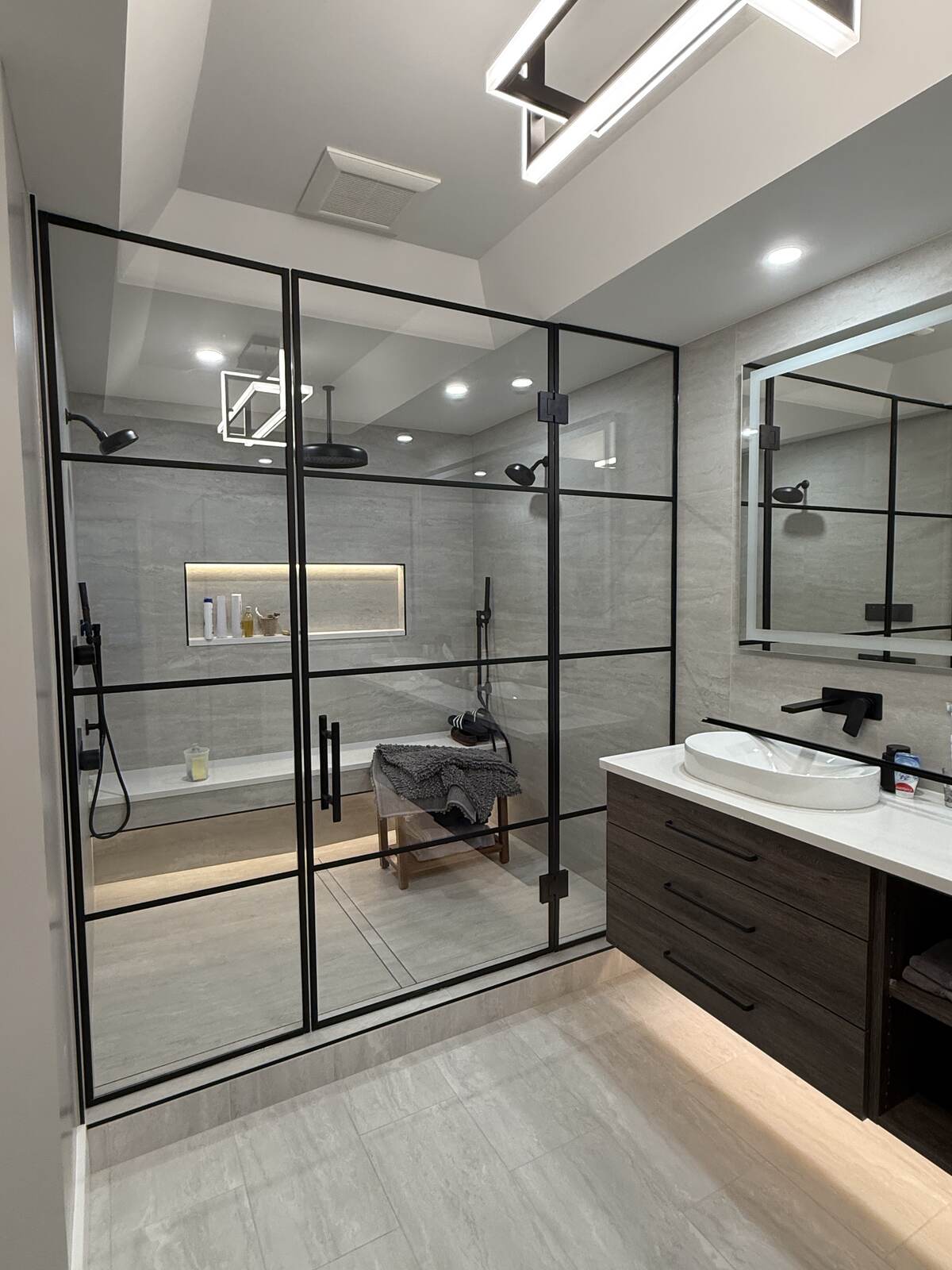



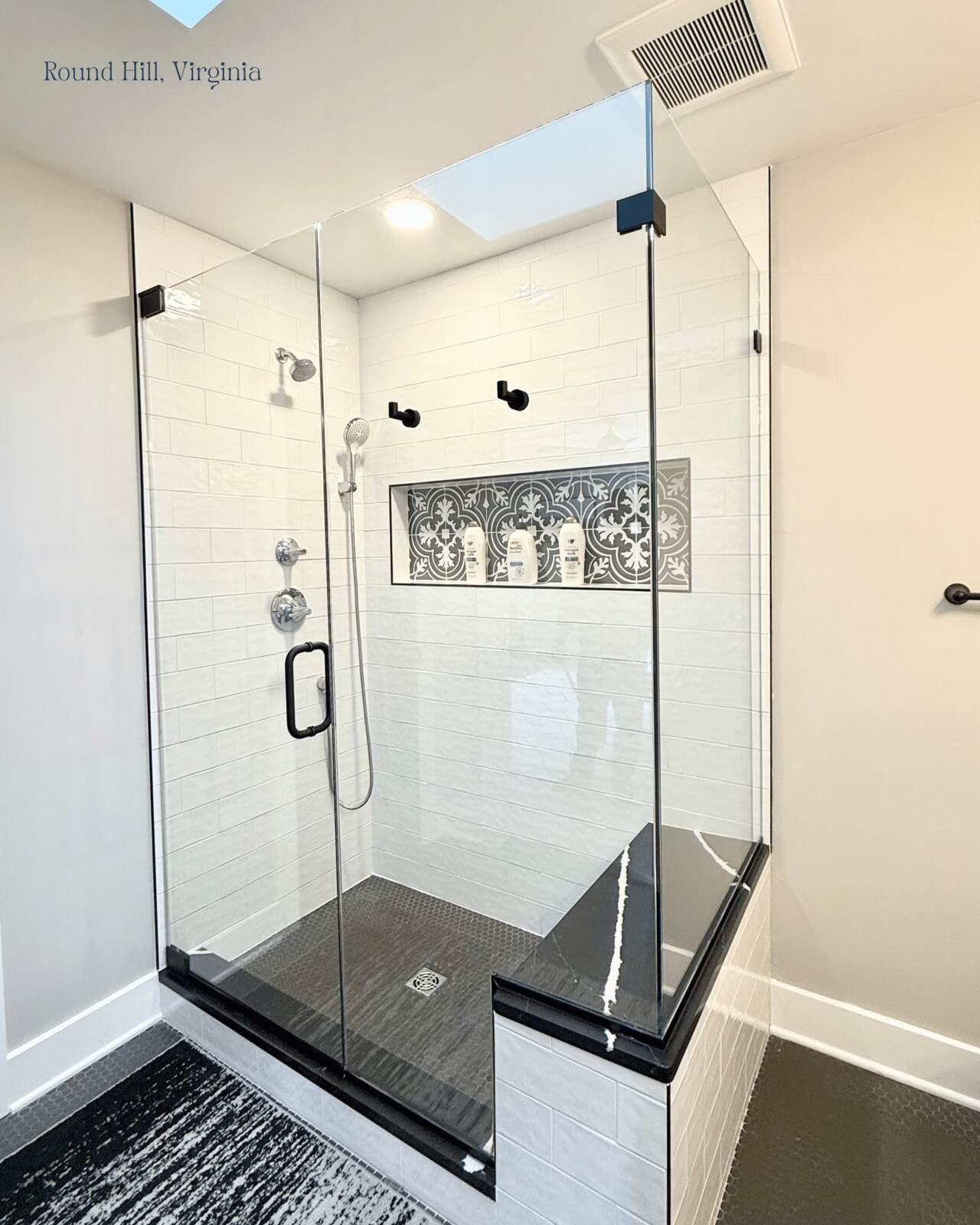

Squeegee the glass after every shower. If you adopt one habit for your frameless enclosure, make it that one. Removing water before it dries reduces the residue left behind and makes regular cleaning easier.
Give the hardware a quick dry with a soft cloth, too. A little care after use is easier on the enclosure than letting deposits accumulate and then trying increasingly strong cleaners.
These guidelines cover routine care. Follow the instructions supplied for your particular glass, coating, and hardware whenever they specify a product or method.
Before you use a new enclosure
For a new ShowerDoorKing installation, do not touch or use the shower door for 48 hours. Follow the notice left on site so the silicone has time to cure before the enclosure is used or cleaned.
Once that waiting period has passed, begin a simple routine and keep it consistent.
Water spots, buildup, and permanent haze are different problems
When water dries on glass, it can leave mineral deposits. Soap and personal-care products add their own residue. Over time, those layers can become harder to remove.
Water conditions vary across Maryland, Washington DC, and Northern Virginia. Pay attention to the signs in your own bathroom rather than assuming every home in the region has the same water. Frequent white spots on fixtures are a reason to be more consistent about drying and cleaning.
Not every cloudy patch is permanent damage. Some is removable buildup. But prolonged exposure can also contribute to deterioration of the glass surface, and ordinary cleaning will not reverse actual corrosion or etching. If gentle, approved cleaning is not working, ask for advice before scrubbing harder.
A simple cleaning routine
After use, remove water from the glass with a clean squeegee and dry the hardware with a soft cloth. Keep the squeegee free of grit and avoid striking the glass with its handle or metal parts.
For routine washing, use a soft cloth and a mild, non-abrasive cleaner approved for your glass. Rinse away residue and dry the surface. Neutral detergent and water are a sensible starting point where permitted by the product's care instructions.
Clean regularly enough that you are removing light residue rather than a thick layer of buildup. The right frequency depends on shower use and water conditions.
Be careful with “shower-safe” cleaning advice
A shower contains several different materials. A product suitable for bare glass may be unsuitable for coated glass, decorative hardware, seals, or the stone below it.
Avoid abrasive powders, scouring pads, and metal scrapers as routine cleaning tools. Do not assume an ammonia-based glass cleaner, strong descaler, or bleach product is approved for every part of the enclosure.
Vinegar is often recommended online for water spots, but it can etch marble and other acid-sensitive stone. Overspray and runoff matter. Check compatibility with the entire area before using a specialty cleaner, and do not mix cleaning chemicals.
If you are unsure what glass or coating you have, contact us before experimenting.
How to clean shower door seals and sweeps
The clear flexible pieces along a door edge or bottom help manage water. The bottom piece is commonly called a sweep; other profiles may be used at the sides or where the door meets a panel.
For routine cleaning:
- Open the door normally and wipe accessible seal surfaces with warm water, mild soap, and a soft cloth.
- Gently clean the folds and contact areas where residue collects. Avoid sharp tools and aggressive scrubbing.
- Rinse away soap and dry what you can reach without pulling the seal out of position.
- Check for cracking, tearing, stiffness, or a section that no longer sits correctly.
Do not pull off a seal unless you know it is designed to be removed and how to refit it. Profiles differ, and pulling at one can damage it or disturb the fit.
Persistent discoloration is not always something more cleaner will solve. A brittle, split, or badly distorted sweep may need replacement. The replacement needs to match the glass thickness and the gap it is intended to seal.
If water has started escaping, describe where it appears. A damaged sweep is one possibility, but door alignment, spray direction, and the surrounding shower surfaces can also be involved.
Caring for hinges, handles, and finishes
Use mild soap, warm water, and a soft cloth for routine hardware cleaning, then rinse and dry, subject to the manufacturer's instructions. Avoid abrasive cleaners and metal polish unless expressly approved for the exact finish.
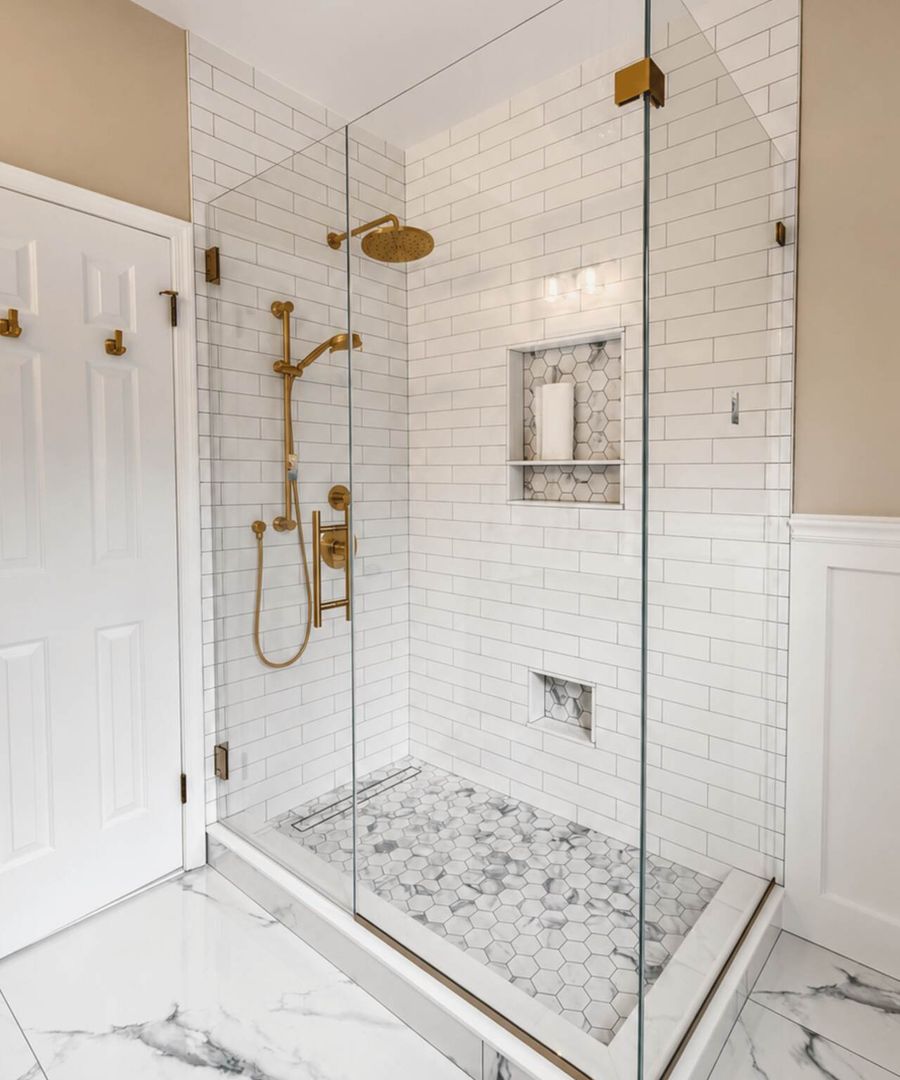
A brass-colored fitting may have a protective or plated finish. Matte black, bronze, nickel, and chrome also need care suited to their actual finish system. Scrubbing off a water spot should not mean scrubbing off the finish beneath it.
Do not loosen hinge screws or attempt to reposition heavy glass yourself. If the door begins rubbing, catching, or sitting differently, stop forcing it and contact the installer.
What protective glass does, and what it doesn't
HydroClear is one of our most popular upgrades for customers concerned about water spots and buildup. Protected glass can make maintenance more manageable, but it still needs regular cleaning.
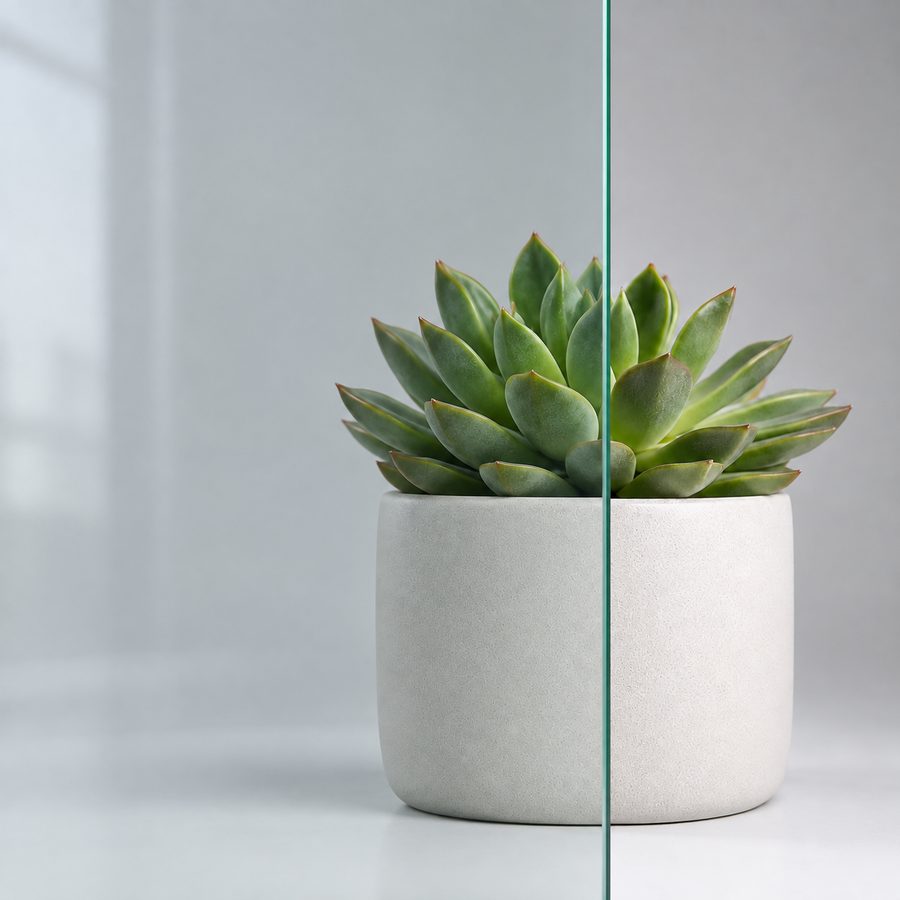
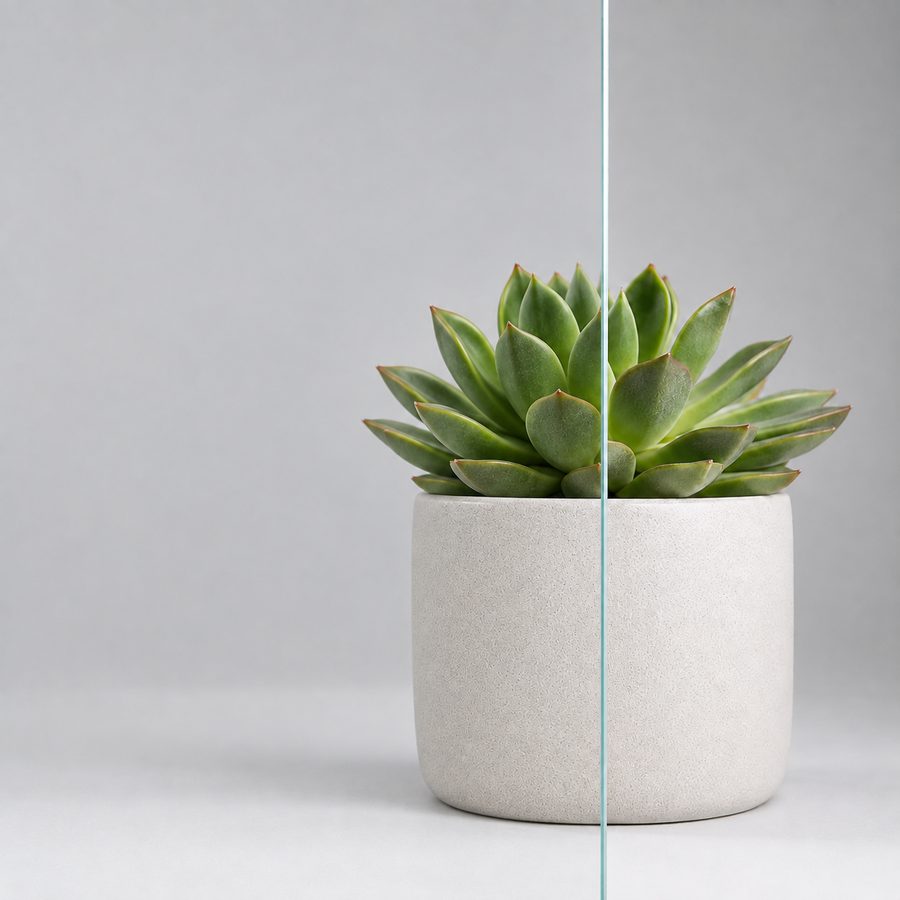
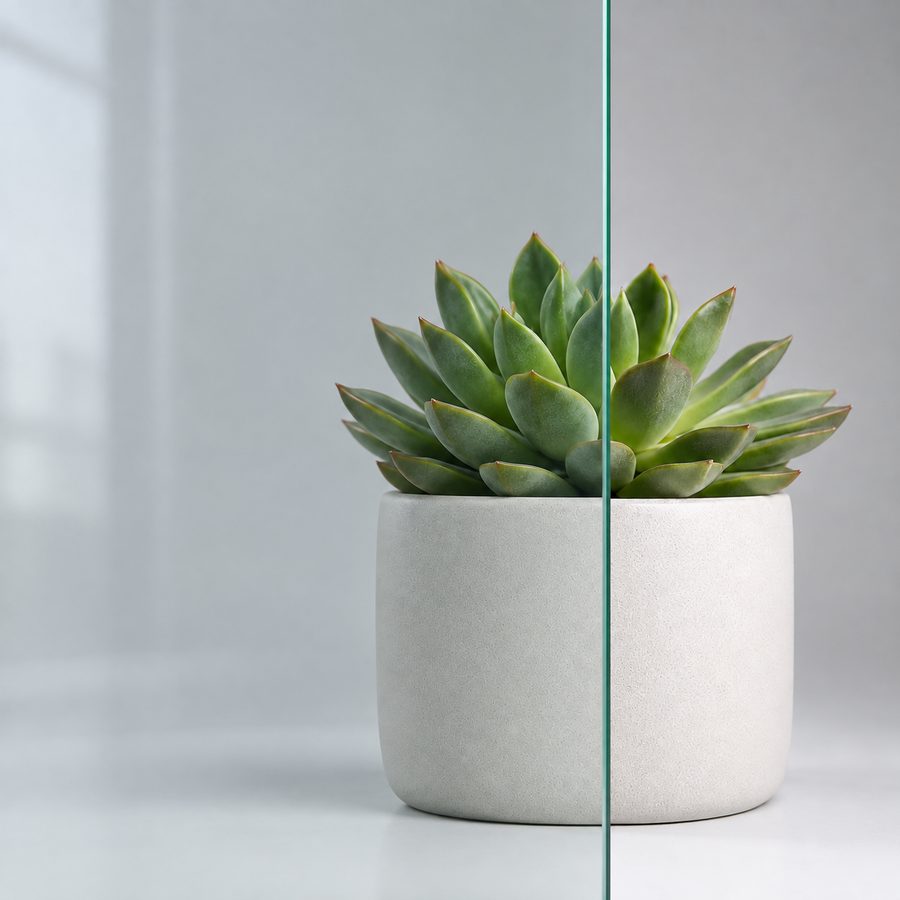
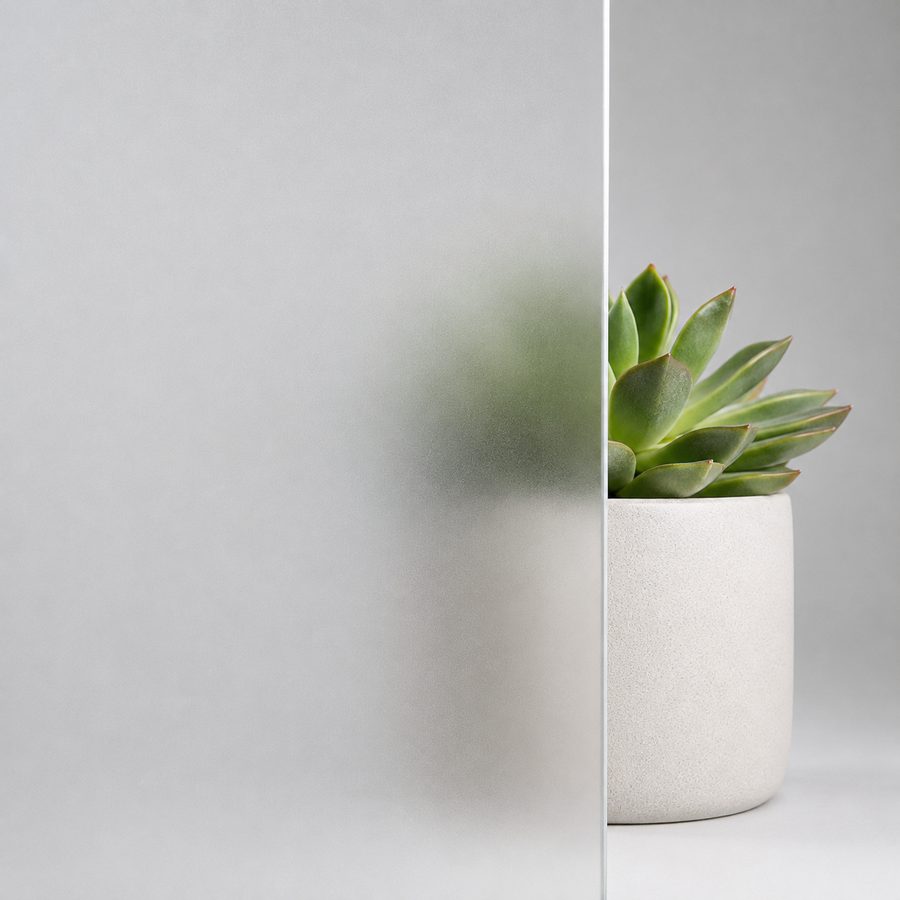

Low-iron glass addresses clarity. It should not be mistaken for a water-repellent treatment. OptiShower OW combines low-iron glass with an anti-corrosion coating.
The expected performance and care requirements depend on the specific product. Keep its care and warranty information rather than relying on a general claim that every coating lasts the same number of years. No glass upgrade removes minerals from your household water.
When to contact us
Contact us if a seal has failed, hardware feels loose, or the door no longer moves as it did originally. If you see a chipped edge, cracking, or glass making contact with a hard surface, stop using the door until it has been assessed. Damaged tempered glass is not repaired by simply sanding down an edge.
We primarily service enclosures originally installed by ShowerDoorKing. We generally do not service other companies' installations, but we are happy to review the situation and help where we can. Send photos of the complete enclosure, the hardware, and the problem area so we can understand what you have.
Keep this routine simple: dry after use, clean gently, and address changes in the door's operation early.