
 read
read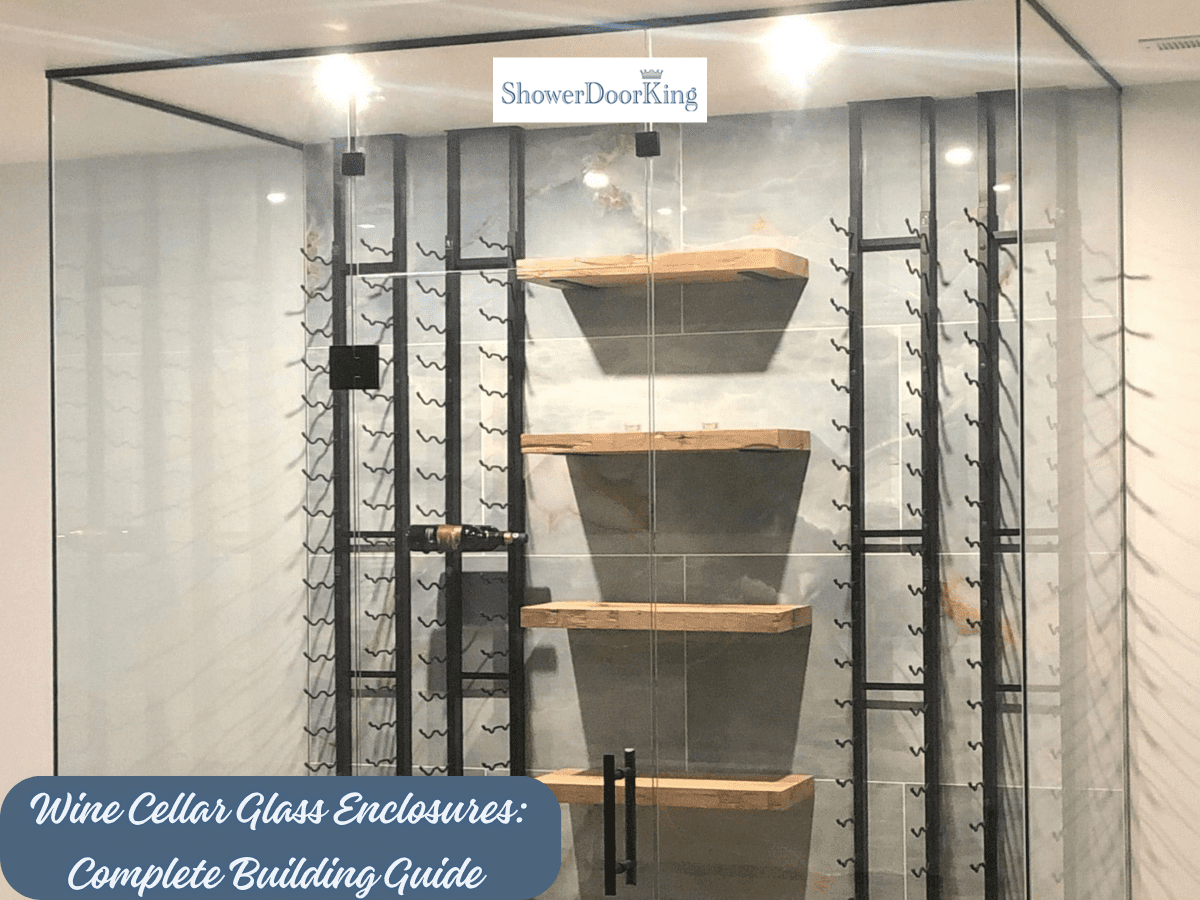
A glass wine cellar is one of the most striking features you can add to a home. Done right, it turns your collection into architecture a living display built into your kitchen, dining room, or living space. Done wrong, it's an expensive room that sweats on your floors and damages your wine.
The difference almost always comes down to planning. Here's what you need to know before you spend a dollar.
Location Comes First; Not Aesthetics
Most homeowners start with "Where will it look good?" That's the wrong
question. Start with "Where can it actually work?"
The best locations are often unused static spaces you're already overlooking: under the stairs, an underused closet, an alcove, or a basement corner. These spaces tend to be naturally enclosed and protected from temperature swings, which reduces your construction cost significantly.
There is one hard disqualifier: direct sunlight. UV exposure degrades wine
faster than almost any other factor. If a location gets significant direct sun, you either need UV-filtering glass or a different wall. No exceptions.
Also settle your bottle count early. Plan roughly half a square foot of floor
space per 10 bottles. A 200-bottle collection is manageable in a closet. Five hundred bottles demands a dedicated room and a more powerful cooling system. These two decisions, that is, location and capacity, are interdependent and need to be locked in together before anything else.
The Glass Specification Is Not Optional
This is where most projects go wrong. A wine cellar creates a temperature controlled environment inside your home, which means the glass is always separating a cold, humid interior from a warmer exterior. That temperature differential will cause standard glass to sweat, fog, and eventually crack over time.
The minimum requirement is dual-pane insulated glass (IGU) two panes
with a sealed, gas-filled gap between them that significantly reduces thermal transfer and condensation. For any location with light exposure, add a UV filtering coating. For large frameless panels, laminated safety glass is required so that if a panel ever breaks, it doesn't shatter across your collection.
Thickness matters too. Frameless enclosures require 3/8" to 1/2" tempered glass for structural integrity. Your glass specialist should specify this based on individual panel dimensions—not a blanket recommendation
Climate Control Is Where the Budget Lives
Here's what surprises most people: the glass and racking are not the expensive part, the climate infrastructure is.
A properly built, climate-controlled glass cellar needs a consistent interior temperature of 55°F-60°F and humidity held between 60% and 70%.
Achieving that requires:
- An active cooling unit sized to the space: through-wall or ducted split system
- Closed-cell spray foam insulation, not standard fiberglass which fails in humid environments and causes mold
- A vapor barrier on the warm side of the walls
- Moisture-resistant wall materials throughout the interior
- Airtight glass sealing with silicone at every joint and magnetic gaskets on all doors
Budget realistically: climate infrastructure alone typically runs around $30,000 for a properly built active cellar. Total project costs for a mid-sized Installation runs $35,000–$60,000. Full custom frameless builds with Premium glass can exceed $100,000. Plan the climate system first, then allocate what remains to glass, racking, and finishes.
The Details that Complete the Space
Use LED lighting exclusively. Incandescent and halogen bulbs generate heat that fights your cooling system and accelerates wine aging. Light the space, not the bottles directly.
For racking, remember that every inch is visible through the glass. Wall Mounted pin systems create a minimalist floating-bottle look. Metal grid Systems are more configurable as your collection grows. Custom wood Racking adds warmth and contrast against the cold glass envelope.
Hardware finish sets the tone of the entire enclosure. Matte black reads bold and modern. Brushed nickel is clean and versatile. Unlacquered brass makes a luxury statement but will patina over time, an intentional choice, not a maintenance problem.
The Bottom Line
A glass wine cellar is the right investment if your collection is worth Protecting your location is workable, and your budget covers all three pillars that are glass, climate control, and construction. Cut corners on any one of them and the other two don't matter.
It also requires specialists, not generalists. The intersection of glass Fabrication, airtight sealing, and climate system integration are specific. Verify that whoever you hire has done this exact type of project before and ask to see the work.
When it's built right, a glass wine cellar holds its value, elevates your home, and gives you daily pleasure. The difference between that outcome and an expensive mistake is almost entirely in the planning.
We Build Glass Enclosures That Actually Work
From difficult angles to fully custom frameless design walls, our team has handled The projects other glass companies turn down. Wine cellars, steam rooms, saunas, Mirrors, and Precision Glass work across Maryland, DC, and Virginia since 1998.